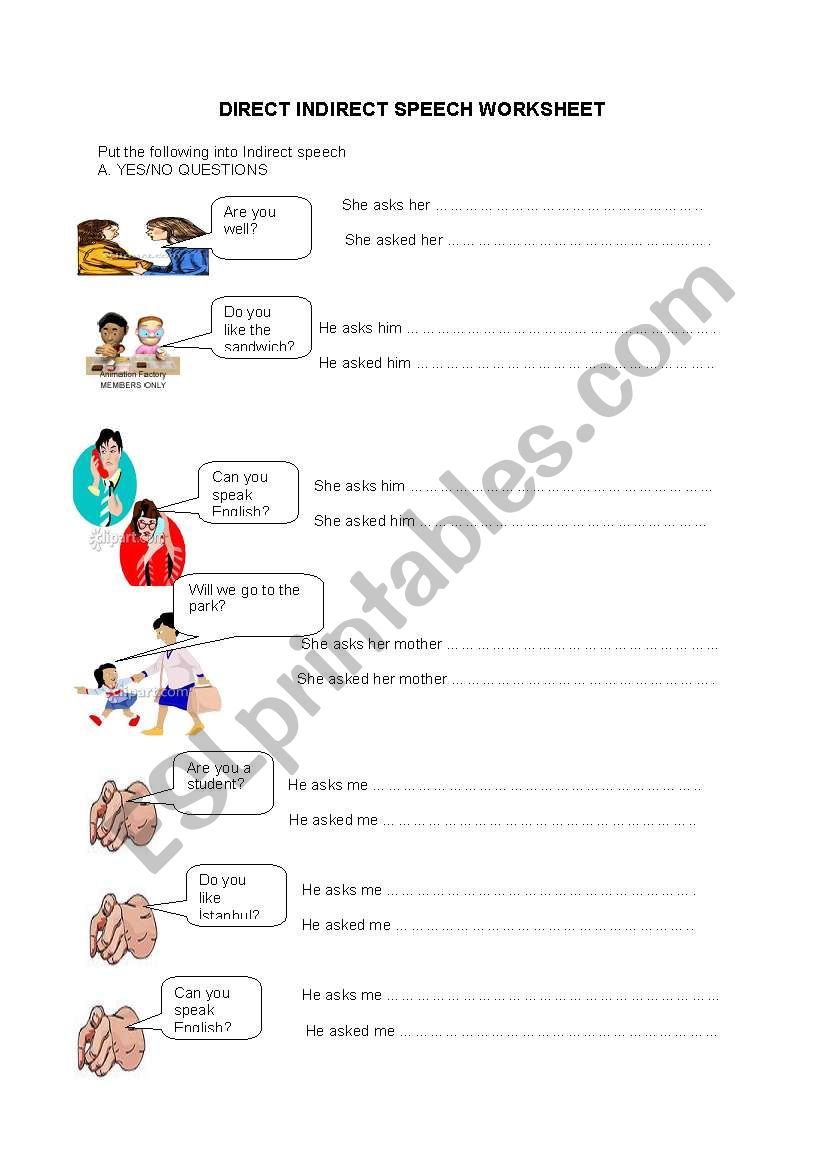
The format for indirect speech is ask + if + clause. If both (the reporting verb and the reported speech) of them are in past tense, the indirect narration will be in past perfect tense (had + v3). The third form of every be verb is been. Yes or no questions are reformatted by using if. Direct speech questions asking for yes or no answers can be rephrased in indirect speech format.

Direct And Indirect Speech Question Type Free Download
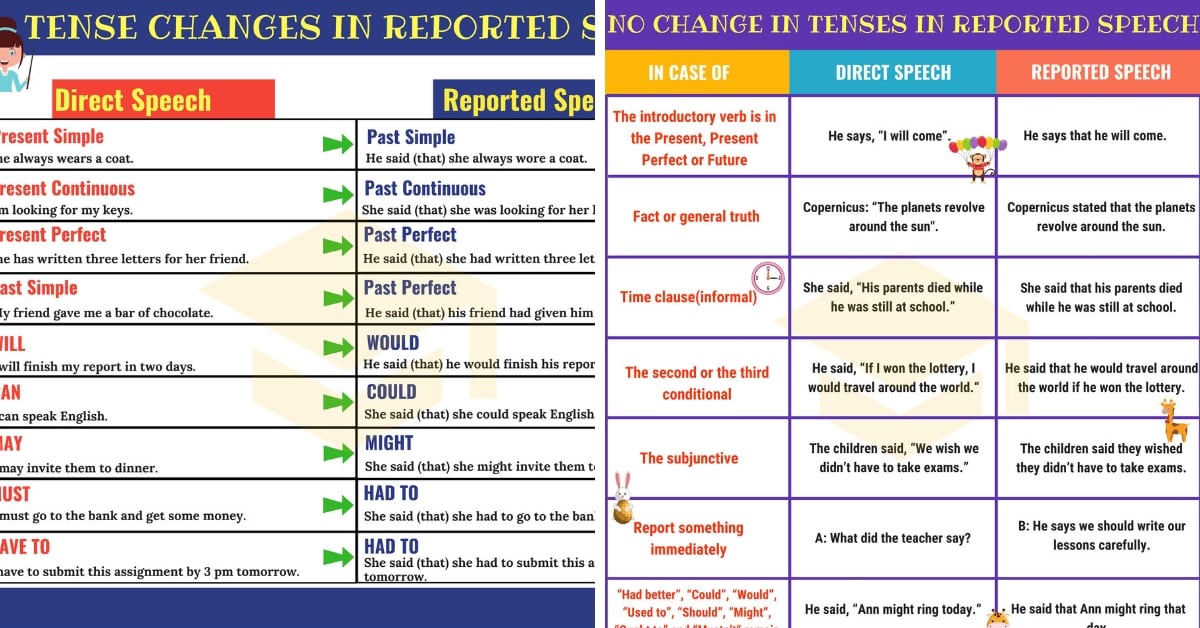
The third form of every be verb is been. The format for indirect speech is ask + if + clause. If both (the reporting verb and the reported speech) of them are in past tense, the indirect narration will be in past perfect tense (had + v3). So the past perfect tense, in this case, is had + been. Indirect questions are a little more formal and polite. Direct speech questions asking for yes or no answers can be rephrased in indirect speech format. We use them when talking to a person we don't know very well, or in professional situations, and their form is a little different. Hence, we have to use had been instead of was/were. Yes or no questions are reformatted by using if. Direct questions are the normal questions that we can ask friends, family members, and people who we know well.
Direct speech questions asking for yes or no answers can be rephrased in indirect speech format. Direct questions are the normal questions that we can ask friends, family members, and people who we know well. The third form of every be verb is been. So the past perfect tense, in this case, is had + been. We use them when talking to a person we don't know very well, or in professional situations, and their form is a little different.
Direct And Indirect Speech Question Type Free Download
So the past perfect tense, in this case, is had + been. Indirect questions are a little more formal and polite. The third form of every be verb is been. Direct questions are the normal questions that we can ask friends, family members, and people who we know well. Direct speech questions asking for yes or no answers can be rephrased in indirect speech format. We use them when talking to a person we don't know very well, or in professional situations, and their form is a little different. If both (the reporting verb and the reported speech) of them are in past tense, the indirect narration will be in past perfect tense (had + v3). Yes or no questions are reformatted by using if. Hence, we have to use had been instead of was/were. The format for indirect speech is ask + if + clause.
Indirect questions are a little more formal and polite. Direct speech questions asking for yes or no answers can be rephrased in indirect speech format. The format for indirect speech is ask + if + clause. Direct questions are the normal questions that we can ask friends, family members, and people who we know well. Hence, we have to use had been instead of was/were.
Direct And Indirect Speech Question Type Free Download
Indirect questions are a little more formal and polite. The format for indirect speech is ask + if + clause. Direct speech questions asking for yes or no answers can be rephrased in indirect speech format. Yes or no questions are reformatted by using if. We use them when talking to a person we don't know very well, or in professional situations, and their form is a little different. The third form of every be verb is been. If both (the reporting verb and the reported speech) of them are in past tense, the indirect narration will be in past perfect tense (had + v3). Hence, we have to use had been instead of was/were. Direct questions are the normal questions that we can ask friends, family members, and people who we know well. So the past perfect tense, in this case, is had + been.
Direct And Indirect Speech Question Type. The format for indirect speech is ask + if + clause. Direct speech questions asking for yes or no answers can be rephrased in indirect speech format. We use them when talking to a person we don't know very well, or in professional situations, and their form is a little different. The third form of every be verb is been. So the past perfect tense, in this case, is had + been.
If both (the reporting verb and the reported speech) of them are in past tense, the indirect narration will be in past perfect tense (had + v3) indirect speech question. The third form of every be verb is been.